ITALIAN, ENGLISH AND SPANISH VERSIONS
Ho sempre amato le persone forti e capaci che non ostentano le loro virtù. Hanno spesso occhi profondi e dolci, sono sagge, trovo che assomiglino un po' a mio padre. Tali persone sono, negli anni, diventate mie amiche. Le rispetto profondamente, sono spesso positive, ma soprattutto abbinano al saper-fare l'umiltà. Questo è un delicato assemblaggio, simile a quello che porta ad un grande vino. Tipico delle persone eleganti ed equilibrate. Pacatezza che troppo spesso viene ignorata o poco apprezzata da coloro che, superficialmente, tendono a catalogarla come ingenuità.
Vorrei che l'indole docile della maggior parte delle persone non fosse sopraffatta dall'atteggiamento aggressivo di coloro che esibiscono potere e superiorità. Questo non accadrebbe se ognuno riflettesse maggiormente sul proprio reale valore, troppo spesso volutamente rinnegato da una società che ama attribuire meriti ai singoli, piuttosto che ad un insieme di persone e situazioni più o meno casuali.
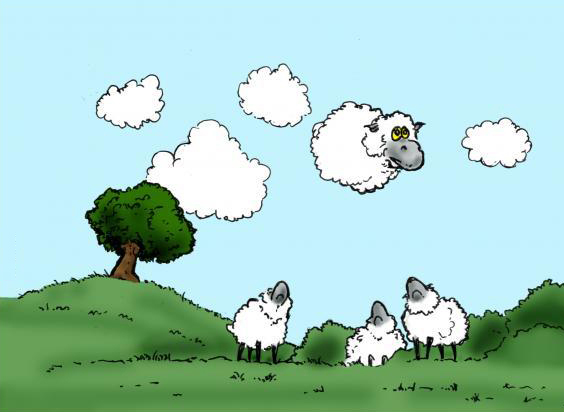
Questo accade nel mondo del vino. Il merito per aver prodotto un grande vino viene attribuito all'enologo o al proprietario, stimolando, a volte, sentimenti di superiorità' e onnipotenza non giustificati.
Al contrario, il segreto del buon vino e' un mistero che lega la vite sia all'uomo che la coltiva sia al luogo in cui cresce. Tale sottile equilibrio tra elementi, simile ad un'armonia ben riuscita, non può essere banalizzato nell'attività di un singolo individuo.
E' un lavoro di team che vede al primo posto la natura e a seguire l'agronomo, colui che calpesta la vigna avanti indietro con la pioggia ed il sole. Dalle sue forbici la vite impara a produrre frutti sempre più dolci e saporiti mentre la terra, ben lavorata ed accudita, continua a vivere in simbiosi con ogni pianta, allevata e selvatica. Quindi è la volta del cantiniere, spesso pallido e con gli abiti umidi per i lavaggi delle attrezzature. Con lui il vino passa la maggior parte del tempo. Ne percepisce l'umore, ne assume i modi, si plasma e si fa buono se il cantiniere e' amorevole e preciso nelle operazioni. Segue l'enologo, con un piede in vigna e l'altro in cantina, occupato perennemente nell'assaggio del vino arrovellandosi per l'assemblaggio perfetto. Se fortunato ha il compito di non sciupar tutto, altrimenti, come un dottore, è chiamato a curare le malattie del vino. A casa si porta dubbi, errori, delusioni e successi. Alla fine, o al principio, troviamo il proprietario: coordinatore illuminato, colui che deve sapere un po' di tutto, dalle sue scelte deriva il futuro di questa terra e di queste persone, come un capitano sente il peso di portare tutti in salvo, come un direttore d'orchestra sente il forte desiderio di creare una sinfonia perfetta che porta ad un grande vino.
<![endif]--> Per tale ragione nessuno dovrebbe sentirsi superiore o giudicare gli altri ma se vittorioso, considerarsi semplicemente caparbio capofila di un team, capace nella focalizzare un risultato, e fortunato nelle situazioni che si sono venute a creare. E' importante riconoscere il proprio valore tanto quanto riconoscere i propri limiti per essere più' equilibrati e felici, semplicemente come un buon vino.
ENGLISH VERSION
"Vintner omnipotence"
I have always appreciated strong and capable people who do not flaunt their virtues. There is often depth and kindness to their eyes, a wisdom, which somehow reminds me of my father. Over the years I have been fortunate to meet many such people, even to call them my friends. I have a deep respect for their positive and adaptable natures, but especially for how they seem to effortlessly combine savoir-faire with humility. This is a very delicate blending, similar to that of a great wine. There is an inner balance inherent to some people, a tranquility that is often ignored or unappreciated by those who may even mistake it for naiveté.
It is this gentler nature which can be overwhelmed by the more aggressive or superior attitude of others. Greater credit is often given to those that are more vocal about their successes and strengths, a calm smile and warm eyes can be more easily overlooked. Or perhaps we as a society simply find it easier to give greater merit to one individual over a group or even just the positive influence of a fortunate situation. This is very often a mistake, as it is extremely rare that great things can happen without team work and a good deal of luck!
We even see this happening in the wine world. Very often all the credit for producing a great wine is given to the Winemaker or the Vineyard owner, making them the focus of all the accolades, which seems to overestimate their superiority or omnipotence.
On the contrary, the secret behind a good wine is the mysterious link between the vine, those who work with it, and the place where it grows. Such subtle balance between elements, this successful harmony, cannot be trivialized by giving all the credit to the activity of a single individual.
It is the work of many hands, but with nature at its very heart. There is the guiding hand of the Agronomist, who moves among the vines, back and forth, in rain and sun. With the cut of his scissors the vine is trained to make better and more concentrated fruits, while the soil under his care continues to be alive in symbiosis with each plant, both cultivated and wild. Then it is the turn of the Cellarworker, very often pale and in clothes left wet by the seemingly endless equipment washing. It is with him that the wine spends most of its time, his will be no small influence. The wine will be formed by his mood, his attitudes, it will get a shape and improve if the Cellarworker is loving, dedicated and precise in all the operations. Then follows the Winemaker, with one foot in the vineyard and the other in the winery, perpetually occupied in sipping wine, preoccupied by how to perfect it. If fortunate his main task is not wasting anything, or otherwise, like a doctor, he is called upon to diagnose ailments, and to treat them. He is always bringing home his doubts, mistakes, disappointments and successes.
At the end -or at the beginning - we find the Owner: the enlightened coordinator, who must know a bit of everything. The future of this land and these people, depends on his choices. Like a captain he feels the responsibility to protect them all, like an orchestra leader he hopes to conduct all these elements into a perfect symphony, a great wine.
So we must value our strengths and recognize our limitations, and appreciate those of others. We should recognize that harmony is the result of various and different parts forming a satisfying whole, because no one thing is emphasized at the expense of another. Strive to simply try and be more balanced and happy, in harmony, like a good wine.
SPANISH VERSION
"El productor omnipotente"
Siempre he amado las personas fuertes y capaces que no hacen alarde de sus virtudes. A menudo tienen los ojos profundos y dulces, son sabios, y encuentro que se parecen a mi padre. Tales personas se han convertido a través de los años en mis amigos. Las respeto profundamente, son casi siempre positivas, pero sobre todo cuando saben armonizar sus conocimientos y humildad. Sería como un delicado coupage, similar al que tiene un gran vino. Típico de las personas elegantes y equilibradas. Esa calma que con demasiada frecuencia se ignora o es poco apreciada por los que la catalogan superficialmente como ingenuidad.
Me gustaría que la docilidad de la mayoría de la gente no se sintiera abrumada por la actitud de aquellos que exhiben el poder agresivo y su superioridad. Esto no sucedería si todos reflejáramos mayormente su valor real, a menudo deliberadamente negado por una sociedad que le gusta dar más mérito a los individuos, en lugar del conjunto de personas y de situaciones más o menos azarosas.
Esto sucede en el mundo del vino. El mérito de haber creado un grande vino se atribuye al enólogo o el propietario, estimulando, a veces, los sentimientos de superioridad y omnipotencia no justificados.
Al contrario, el secreto de un buen vino es un misterio que une a la viña y al hombre que la cultiva en el lugar donde crece. Tal sutil equilibrio entre los elementos, similares a una exitosa armonía, no puede ser banalizado en la actividad de un solo individuo.
Es un trabajo de equipo que pone en primer lugar a la naturaleza y al seguimiento del agrónomo, que pisotea la vid de ida y vuelta con la lluvia y el sol. De sus tijeras la viña aprende a producir frutos más dulces y con más gusto, mientras que la tierra, bien trabajada y cuidada, continúa viviendo en simbiosis con cada planta, criada y salvaje. Así que es el momento del bodeguero, a menudo pálido con la ropa húmeda por el lavado del equipo. El vino pasa la mayor parte del tiempo con él. Se percibe el estado de ánimo, asume la forma, se plasma y se hace bueno si el que trabaja en la bodega es cariñoso y preciso en las operaciones. Le sigue el enólogo, con un pie en la viña y el otro en la bodega, perpetuamente ocupado en probar el vino y encontrando su combinación perfecta. Si tiene suerte, tiene la obligación de no intentar arreglar todo, de lo contrario, como un doctor, está llamado a curar las enfermedades del vino. Trae a su casa las dudas, los errores, las decepciones y los éxitos. Al final, o al principio, nos encontramos con el propietario: el coordinador iluminado, que debe saber un poco de todo, y que de sus opciones depende el futuro de esta tierra y de estas personas; es como un capitán que se siente la carga de salvar a todos;como un director de orquesta que siente el fuerte deseo de crear una sinfonía perfecta que conduce a un gran vino.
Por esta razón, nadie debe sentirse superior a otros, o juzgar a los demás; y si se gana, se debe sentir simplemente como la determinada cabeza de un equipo capaz de focalizar un resultado, afortunado en las situaciones que se han creado. Lo importante es reconocer el propio valor tanto como reconocer las limitaciones para ser más equilibrados y felices, como un buen vino.
Friday, May 31, 2013
Wednesday, December 26, 2012
2012 Vendemmia inaspettata / unexpected vintage
ITALIAN AND ENGLISH VERSIONS
Da ottobre 2011 ad agosto 2012 si è visto il minor numero di piogge mai riscontrato fino ad oggi qui a San Cristoforo, forse solo un paio in primavera degne di nota. Per la Toscana, questo risulta l’anno più siccitoso della storia, solo paragonabile al 1945 che aveva visto in tutto l’anno solo 290 mm.
Quindi verso la fine di Agosto ci stavamo chiedendo se avessimo avuto uva da raccogliere per la vendemmia 2012. La media nella nostra zona è di 680 mm/anno di pioggia, già piuttosto bassa.
Eravamo abituati a poche piogge, in base ai dati estrapolati dalle rilevazioni dell’eliofania * infatti, tra tutte le province italiane, Grosseto, soprattutto nell'area che si affaccia alla costa conta il maggior numero di giornate con cielo sereno nell'arco dell'anno. Ma quest’anno la situazione sembrava davvero critica.
Fortunatamente nel mese di settembre la situazione si è ristabilita e la vite come per miracolo ha ricominciato a lavorare mostrando frutti sanissimi anche se in ritardo nella maturazione. A livello fitosanitario infatti non si sono verificati fenomeni di attacchi fungini, che rappresentano per noi biodinamici l’elemento di maggior criticità, soprattutto per il Sangiovese, più suscettibile ad attacchi di botrite.
E pensare che l’annata 2012, nonostante le mancate piogge autunnali ed invernali, era iniziata bene, con un forte freddo nel mese di gennaio, con punte di -5°C, che aveva marcato con forza il passaggio dal 2011 al 2012, con beneficio sia dei cereali che della vite.
Lo sviluppo dei sovesci è stato ottimale nonostante le poche piogge che sono arrivate nel momento più propizio. Ci sentiamo quindi molto soddisfatti della quantità di sostanza organica apportata al nostro suolo.
Il 9 aprile, giorno di pasquetta, si è verificata una gelata che ha portato ad un calo naturale della resa per ettaro del 40%, ed un rallentamento delle successive fasi vegetative. Questa gelata, inizialmente valutata come una calamità, si è rivelata l’evento più fortunato dell’anno. Infatti, determinando un naturale diradamento, la vite anche sottoposta a grave stress idrico ha potuto procedere nella completa maturazione di quei pochi grappoli rimasti. Una vite carica d’uva non avrebbe potuto resistere all’avvento di “Lucifero”, l’ondata di calore iniziata il 21 Agosto e che ha visto raggiungere la punta dei 41°C nell’entroterra toscano (temperature raggiunte solo in due casi storici, nel 1983 e nel 2003). Le uve sarebbero rimaste crude anche aspettando.
Al di là di quest’annata anomala per temperature e siccità, ci siamo stupiti nel constatare come le nostre viti abbiano superato queste condizioni estreme, segno della forte sinergia tra le loro radici e questi terreni drenanti ma così freschi in profondità. Considerando che a Podere San Cristoforo non abbiamo alcun impianto di irrigazione, non potevamo immaginare una situazione così positiva.
Abbiamo notato una difformità di maturazione sia tra i grappoli della stessa vite, che per le stesse varietà nei diversi appezzamenti. L’epoca di vendemmia, alla fine, è stata nella media e cioè a metà settembre per Vermentino e Trebbiano, a fine settembre per Sangiovese e a inizio ottobre per Petit Verdot.
Ad inizio settembre, le giornate fresche e coperte da nubi, con alcune brevi piogge, oltre a rallentare la raccolta, che viene effettuata solo ad uve asciutte, ha consentito di raccogliere le uve Trebbiano e Vermentino a temperature più basse. Da venerdì 7 settembre il freddo è stato spazzato via dell’anticiclone “Bacco” che ha riportato le temperature intorno ai 28-30°C di giorno (con escursioni termiche di 15°C tra giorno e notte). Le temperature poi si sono abbassate gradatamente durante tutto il mese permettendo a Sangiovese e Petit Verdot di maturare nel migliore dei modi. Il grado alcolico per tutte le varietà è risultato più basso dell’annata 2011 consegnandoci vini freschi ed eleganti, di minor struttura, ma pur sempre figli di questa terra e di questa inaspettata - per questo benedetta - annata.
* dal greco elios (sole) + phaino (manifestare) è il parametro metereologico che misura la durata media del soleggiamento in una zona.

ENGLISH VERSION
From October 2011 to August 2012 we had very minimal rain here at Podere San Cristoforo, with only a few noteworthy showers in the spring. For Tuscany, this has been one of the driest years in history, comparable only to 1945, which saw a total of 290 mm of rain. At the end of August we were left wondering if we would even have a harvest this year. We are already accustomed to low rainfall; the average in our zone is 680 mm/year. Based on eliofania* data surveys, Grosseto, among all the Italian provinces, counts the highest number of clear sky days within the year, especially on the coast. But this year the situation seemed truly critical.
Fortunately in September there was great relief as the situation was re-established and, like a miracle, the vines where refreshed, showing healthy fruits even if it was later in the maturation. We were spared any trouble with mold or fungus, one of the greatest risks in light of our biodynamic approach, especially for the Sangiovese grapes which are already more susceptible to botrytis.
The year, despite missing autumn and winter rains, began well. With the arrival of an intense cold in January, and temperatures of -5°C (23°F), the natural transition from 2011 to 2012 brought benefits for both the cereals and the vines.
The herbs we planted in the vineyards had optimal growth do to the propitious timing of the rainfall. We were ultimately very satisfied with the quantity of organic substance brought back into our soils.
On April 9, the day of “pasquetta” in Italy, a frost occurred that entailed a natural 40% yield loss and slowed down the following vegetative phases. This frost, initially considered as a calamity, proved to be the most fortunate event of the year. In fact, this natural “green harvest” meant that the vines though suffering serious water stress, were able to proceed in the complete maturation of those few clusters that remained. A vine loaded with many grapes would never have withstood the "Lucifero” heat wave starting on August 21 when the thermometer reach a peak of 41°C (106°F) in the Tuscan hinterland. This temperature has only been recorded on two historical cases, in 1983 and in 2003. Without the frosts of April, the grapes would have been left unripe even if given more time for their maturation.
In the face of this anomalous year for temperatures and drought, we were thrilled to see our vines overcome these extreme conditions. Considering that at Podere San Cristoforo we don't have an irrigation system, we could never have imagined such a positive outcome.
This is a sign of a strong synergy between the roots and the vineyard soils well drained, but maintaining freshness at their depths. Different maturation levels both for clusters on the same vine, and for the same varieties planted on different vineyards were noted. Harvest time ultimately occurred within the average date range: middle of September for Vermentino and Trebbiano, the end of September for Sangiovese, and the beginning of October for Petit Verdot.
In the beginning of September came cooler and cloudier days, along with some light rains. This slowed down the harvest – as grapes are picked only when they are dry - and allowed us to pick the Trebbiano and Vermentino grapes at lower temperatures. From Friday September 7th those cold days were swept away by the so-called "Bacchus” anticyclone that raised daytime temperatures to 28-30°C (82-86°F) with a fluctuation between day and night temperatures of 15°C (23°F). Temperatures gradually lowered during the whole month allowing Sangiovese and Petit Verdot to ripen more slowly. The alcoholic degree for all the varieties has been lower than 2011, giving slightly less body but fresh and elegant wines that truly reflect this surprising land. This is unexpected and in many ways blessed vintage!
* from ancient Greek language elios (sun) + phaino (to show) it is a meteorological parameter that measures the average duration of clear sky in a specific zone
Da ottobre 2011 ad agosto 2012 si è visto il minor numero di piogge mai riscontrato fino ad oggi qui a San Cristoforo, forse solo un paio in primavera degne di nota. Per la Toscana, questo risulta l’anno più siccitoso della storia, solo paragonabile al 1945 che aveva visto in tutto l’anno solo 290 mm.
Quindi verso la fine di Agosto ci stavamo chiedendo se avessimo avuto uva da raccogliere per la vendemmia 2012. La media nella nostra zona è di 680 mm/anno di pioggia, già piuttosto bassa.
Eravamo abituati a poche piogge, in base ai dati estrapolati dalle rilevazioni dell’eliofania * infatti, tra tutte le province italiane, Grosseto, soprattutto nell'area che si affaccia alla costa conta il maggior numero di giornate con cielo sereno nell'arco dell'anno. Ma quest’anno la situazione sembrava davvero critica.
Fortunatamente nel mese di settembre la situazione si è ristabilita e la vite come per miracolo ha ricominciato a lavorare mostrando frutti sanissimi anche se in ritardo nella maturazione. A livello fitosanitario infatti non si sono verificati fenomeni di attacchi fungini, che rappresentano per noi biodinamici l’elemento di maggior criticità, soprattutto per il Sangiovese, più suscettibile ad attacchi di botrite.
E pensare che l’annata 2012, nonostante le mancate piogge autunnali ed invernali, era iniziata bene, con un forte freddo nel mese di gennaio, con punte di -5°C, che aveva marcato con forza il passaggio dal 2011 al 2012, con beneficio sia dei cereali che della vite.
Lo sviluppo dei sovesci è stato ottimale nonostante le poche piogge che sono arrivate nel momento più propizio. Ci sentiamo quindi molto soddisfatti della quantità di sostanza organica apportata al nostro suolo.
Il 9 aprile, giorno di pasquetta, si è verificata una gelata che ha portato ad un calo naturale della resa per ettaro del 40%, ed un rallentamento delle successive fasi vegetative. Questa gelata, inizialmente valutata come una calamità, si è rivelata l’evento più fortunato dell’anno. Infatti, determinando un naturale diradamento, la vite anche sottoposta a grave stress idrico ha potuto procedere nella completa maturazione di quei pochi grappoli rimasti. Una vite carica d’uva non avrebbe potuto resistere all’avvento di “Lucifero”, l’ondata di calore iniziata il 21 Agosto e che ha visto raggiungere la punta dei 41°C nell’entroterra toscano (temperature raggiunte solo in due casi storici, nel 1983 e nel 2003). Le uve sarebbero rimaste crude anche aspettando.
Al di là di quest’annata anomala per temperature e siccità, ci siamo stupiti nel constatare come le nostre viti abbiano superato queste condizioni estreme, segno della forte sinergia tra le loro radici e questi terreni drenanti ma così freschi in profondità. Considerando che a Podere San Cristoforo non abbiamo alcun impianto di irrigazione, non potevamo immaginare una situazione così positiva.
Abbiamo notato una difformità di maturazione sia tra i grappoli della stessa vite, che per le stesse varietà nei diversi appezzamenti. L’epoca di vendemmia, alla fine, è stata nella media e cioè a metà settembre per Vermentino e Trebbiano, a fine settembre per Sangiovese e a inizio ottobre per Petit Verdot.
Ad inizio settembre, le giornate fresche e coperte da nubi, con alcune brevi piogge, oltre a rallentare la raccolta, che viene effettuata solo ad uve asciutte, ha consentito di raccogliere le uve Trebbiano e Vermentino a temperature più basse. Da venerdì 7 settembre il freddo è stato spazzato via dell’anticiclone “Bacco” che ha riportato le temperature intorno ai 28-30°C di giorno (con escursioni termiche di 15°C tra giorno e notte). Le temperature poi si sono abbassate gradatamente durante tutto il mese permettendo a Sangiovese e Petit Verdot di maturare nel migliore dei modi. Il grado alcolico per tutte le varietà è risultato più basso dell’annata 2011 consegnandoci vini freschi ed eleganti, di minor struttura, ma pur sempre figli di questa terra e di questa inaspettata - per questo benedetta - annata.
* dal greco elios (sole) + phaino (manifestare) è il parametro metereologico che misura la durata media del soleggiamento in una zona.
ENGLISH VERSION
From October 2011 to August 2012 we had very minimal rain here at Podere San Cristoforo, with only a few noteworthy showers in the spring. For Tuscany, this has been one of the driest years in history, comparable only to 1945, which saw a total of 290 mm of rain. At the end of August we were left wondering if we would even have a harvest this year. We are already accustomed to low rainfall; the average in our zone is 680 mm/year. Based on eliofania* data surveys, Grosseto, among all the Italian provinces, counts the highest number of clear sky days within the year, especially on the coast. But this year the situation seemed truly critical.
Fortunately in September there was great relief as the situation was re-established and, like a miracle, the vines where refreshed, showing healthy fruits even if it was later in the maturation. We were spared any trouble with mold or fungus, one of the greatest risks in light of our biodynamic approach, especially for the Sangiovese grapes which are already more susceptible to botrytis.
The year, despite missing autumn and winter rains, began well. With the arrival of an intense cold in January, and temperatures of -5°C (23°F), the natural transition from 2011 to 2012 brought benefits for both the cereals and the vines.
The herbs we planted in the vineyards had optimal growth do to the propitious timing of the rainfall. We were ultimately very satisfied with the quantity of organic substance brought back into our soils.
On April 9, the day of “pasquetta” in Italy, a frost occurred that entailed a natural 40% yield loss and slowed down the following vegetative phases. This frost, initially considered as a calamity, proved to be the most fortunate event of the year. In fact, this natural “green harvest” meant that the vines though suffering serious water stress, were able to proceed in the complete maturation of those few clusters that remained. A vine loaded with many grapes would never have withstood the "Lucifero” heat wave starting on August 21 when the thermometer reach a peak of 41°C (106°F) in the Tuscan hinterland. This temperature has only been recorded on two historical cases, in 1983 and in 2003. Without the frosts of April, the grapes would have been left unripe even if given more time for their maturation.
In the face of this anomalous year for temperatures and drought, we were thrilled to see our vines overcome these extreme conditions. Considering that at Podere San Cristoforo we don't have an irrigation system, we could never have imagined such a positive outcome.
This is a sign of a strong synergy between the roots and the vineyard soils well drained, but maintaining freshness at their depths. Different maturation levels both for clusters on the same vine, and for the same varieties planted on different vineyards were noted. Harvest time ultimately occurred within the average date range: middle of September for Vermentino and Trebbiano, the end of September for Sangiovese, and the beginning of October for Petit Verdot.
In the beginning of September came cooler and cloudier days, along with some light rains. This slowed down the harvest – as grapes are picked only when they are dry - and allowed us to pick the Trebbiano and Vermentino grapes at lower temperatures. From Friday September 7th those cold days were swept away by the so-called "Bacchus” anticyclone that raised daytime temperatures to 28-30°C (82-86°F) with a fluctuation between day and night temperatures of 15°C (23°F). Temperatures gradually lowered during the whole month allowing Sangiovese and Petit Verdot to ripen more slowly. The alcoholic degree for all the varieties has been lower than 2011, giving slightly less body but fresh and elegant wines that truly reflect this surprising land. This is unexpected and in many ways blessed vintage!
* from ancient Greek language elios (sun) + phaino (to show) it is a meteorological parameter that measures the average duration of clear sky in a specific zone
Thursday, August 16, 2012
Wine Advocate #201 Jun 2012 - Antonio Galloni
Lorenzo Zonin is making some of the most fascinating wines in Maremma. The Podere San Cristoforo reds are distinguished for their exuberant fruit. So far, Sangiovese seems to be the estate's strong suit. The San Cristoforo, 100% Petit Verdot, is the only wine that appears to still be a work in progress.
90p Amaranto 2011 - The 2011 Sangiovese Amaranto bursts from the glass with sweet red cherries, raspberries and flowers. As always, the Amaranto is made in a juicy, fruity style best suited for drinking over the next few years. It remains one of the prettiest and most fairly priced wines in its price range. This is simply a joyous glass of wine and a great value to boot.
Carandelle 2010: 91 points - The 2010 Sangiovese Carandelle adds considerable structure to the overt fruit of the Amaranto. Firm yet well-integrated tannins support an expressive core of dark raspberries, flowers and licorice. There is an extreme purity to the fruit that is the hallmark of San Cristoforo. The 2010 finishes with just a hint of compactness that probably comes from the structure of 10% Petit Verdot added to the blend.
San Cristoforo 2010: 89 points - The 2010 Maremma Toscana Podere San Cristoforo is better than some previous versions, but it hasn't found its personality yet. It is a technically flawless wine, yet varietal notes are pretty much absent. Perhaps they will develop in bottle, but a surer bet is simply that these young vines need to be older before they are ready to yield fruit of exceptional quality.
90p Amaranto 2011 - The 2011 Sangiovese Amaranto bursts from the glass with sweet red cherries, raspberries and flowers. As always, the Amaranto is made in a juicy, fruity style best suited for drinking over the next few years. It remains one of the prettiest and most fairly priced wines in its price range. This is simply a joyous glass of wine and a great value to boot.
Carandelle 2010: 91 points - The 2010 Sangiovese Carandelle adds considerable structure to the overt fruit of the Amaranto. Firm yet well-integrated tannins support an expressive core of dark raspberries, flowers and licorice. There is an extreme purity to the fruit that is the hallmark of San Cristoforo. The 2010 finishes with just a hint of compactness that probably comes from the structure of 10% Petit Verdot added to the blend.
San Cristoforo 2010: 89 points - The 2010 Maremma Toscana Podere San Cristoforo is better than some previous versions, but it hasn't found its personality yet. It is a technically flawless wine, yet varietal notes are pretty much absent. Perhaps they will develop in bottle, but a surer bet is simply that these young vines need to be older before they are ready to yield fruit of exceptional quality.
Thursday, June 28, 2012
La passione porta amore / Passion brings love / La pasión lleva al amor
ITALIAN, ENGLISH AND SPANISH VERSION
Da quando questa terra mi ha scelto, la mia vita si è riempita di felici eventi.
Dirò di più, anche coloro che lavorano a San Cristoforo si sentano ogni giorno ricompensati da una natura che ci regala, in cambio di solo amore ed attenzioni, frutti dolcissimi. Tutti noi sappiamo di doverla prima di tutto rispettare, mantenendola sana così come ci è stata affidata, poi accudirla, ed infine valorizzarla.
Aver intrapreso questa avventura è stato faticoso ma ci ha regalato tantissime soddisfazioni, soprattutto ci ha dato fiducia in noi stessi. Anche se ben sappiamo che i meriti dei successi ottenuti sono di queste viti possiamo essere fieri di averci sempre creduto lavorando con pochi mezzi e poche risorse, senza mai voler stravolgerne gli equilibri e rispettandone i tempi.
Se si ha il coraggio di seguire il proprio cuore, la qualità della nostra vita migliora enormemente, ci si libera da ansie e tensioni che inevitabilmente si creano quando c’è un conflitto interiore. A volte basta avere anche solo fiducia, avere pazienza, godere dei piccoli traguardi, vivere profondamente ogni momento consci di essere strumenti temporanei, servitori ed artisti della terra.
Chi lavora a cielo aperto impara a non rifiutare mai le situazioni e rinuncia alle fantasie, ma non ai sogni. Proprio come la vite che, non potendo rifiutare le forbici del vignaiolo, si adatta alla realtà, rinuncia all’idea di allungare i propri tralci e produce così frutti migliori.
Vi raccontiamo l’ultima soddisfazione: Podere San Cristoforo, ad inizio aprile, è stato invitato a presentare i suoi vini nella culla dell’eccellenza enologica mondiale, ad uno degli eventi più elitari che io conosca: Bordeaux en primeurs.
Si tratta di una serie di degustazioni magistralmente organizzate all’interno di lussuosi château o, come nel nostro caso, nelle cantine di produttori ispirati. I vini sono quelli dell’ultima vendemmia, la 2011, presi direttamente dalle barrique o dalle vasche e messe in bottiglia senza alcuna chiarifica e filtrazione. Siamo stati ospiti di Jean-Luc Thunevin, primo a sfidare, con un vino fatto in casa, i più nobili château bordolesi. Fece notizia il suo primo vino prodotto diraspando le uve con le mani nel suo garage, con estrema attenzione ai dettagli ed il tocco dell’enologo di Château Ausune. I suoi vini furono una rivelazione per la critica. Rober Parker per descrivere questa sorta di irriverenza di Jean-Luc, lo definì “the bad boy”, ossia la pecora nera di Saint-Emilion.
Una degustazione è ben riuscita quando l’assaggio del vino è reso possibile da un ambiente che non possa alterarne le caratteristiche e per quanto possibile ne faciliti l’analisi. Quindi le caratteristiche di base sono un bicchiere pulito e senza odori, una situazione piacevole e tranquilla ed infine informazioni precise sul vino. A Bordeaux queste poche e semplici regole furono rispettate. Il pubblico, con grande sorpresa, fu entusiasta dei nostri vini. Un pubblico così interessante, composto da giornalisti, produttori e wine merchant provenienti da ogni angolo del pianeta,tutti degustatori estremamente capaci, alcuni molto conosciuti. Coronano questa esperienza i punteggi dei nostri vini en primeurs assegnati da José Penin, autore dell’omonima guida dei vini.
"BOREDEAUX 2011 E’ UN’ANTEPRIMA" - Degustazione di Jean-Luc Thunevin a Saint Emilion, 2-5 Aprile 2012
Ogni anno, in questi giorni, Bordeaux si riempie di enotecari, importatori, giornalisti e simpatizzanti del vino per tastare il polso all’ultima vendemmia, in questo caso quella del 2011. Questo instancabile assaggiatore, si è diretto nel Medoc e nel Libournais per il solito esercizio gustativo. [...] Anche l'Italia si trova tra i vini preferiti da Jean Luc Thunevin. [...] Seguendo con gli italiani, Lorenzo Zonin ha intrapreso un'avventura personale nella Maremma Toscana con la cantina Podere San Cristoforo. Ha creato un Sangiovese, Amaranto 2011 (93 punti) ricco in espressione fruttata, molto aromatico, ed a questo aggiunge un Petit Verdot (92 punti) senza quella forte rusticità che caratterizza quest’uva. [ Articolo scritto il 08/04/2012 da José Peñín ]
Alla vostra salute! sempre... Lorenzo
ENGLISH VERSION
I believe that I was chosen by this land, and ever since I came to San Cristoforo my life has been filled with many small blessings.
All of us who work at San Cristoforo feel rewarded the nature here, we now that in exchange for our love and attention we shall receive sweeter fruits. All of believe in respecting this land, striving to maintain its health as it was entrusted to us, to care for it, and work to help its development.
The undertaking of this adventure has been exhausting at times, but has given us great satisfaction and a greater trust in ourselves. We know that most responsibility for success rests primarily on the vines, but we can be proud that our fierce devotion, our hard work with few means and few resources, and our dedication to maintaining equilibriums and respect for timing, has been instrumental in bringing forth the best from this land.
If we have the courage to follow our hearts, the quality of our lives can enormously improve, we free ourselves from anxieties and tensions that are the inevitable result of internal conflict. Sometimes all it takes is to have trust, have patience, enjoy accomplishing some small goals, trying to live more deeply in every moment, excepting that we are temporary tools, servants and artists of the land.
Those who works under an open sky, learn that nothing comes from rejecting the situation, there can be no “if only’s” or “I wish’s” when working the land. One must renounce fantasies and work with the realities… too little rain, too much rain. But rejecting fantasy does not mean rejecting dreams. Just as the vine must yield to the vintner’s scissors, it adjusts itself to reality, renouncing the natural urge toward longer shoots and focusing energy toward the berries, and so produces the best fruits.
Let us share our latest good news. Podere San Cristoforo was invited to present its wines at the very heart worldwide winemaking excellence. The prestigious: Bordeaux en primeurs.
The event is a whole series of tastings, masterfully organized inside luxurious château or, as in our case, in the wine cellars of inspired producers. The wines are those of the most recent vintage, the 2011, taken directly from the barriques or from the tanks without any clearing of filtration.
We were guests of Jean-Luc Thunevin, who was the first to challenge, with a wine done at home, the noblest Bordeaux château. He produced his first wine, hand destemming the grapes in his garage, demonstrating extreme attention to details, with the help of Château Ausune’s winemaker he would end up making headline news. His wines were a revelation for the critics. Rober Parker described Jean-Luc’s sort of irreverence, defining him as "the bad boy", or rather the Saint-Emilion’s black sheep.
A tasting is well done when nothing in the room can alter the characteristics of the wine and everything facilitates as much as possible the analysis. Therefore the principal characteristics are: a clean and odourless glass, a pleasant and calm situation and finally precise information about the wine. In Bordeaux these simple rules were respected, and the public, with great surprise, was enthusiastic of our wines. Such an interesting public, composed of journalists, producers and wine merchant coming from every corner of the planet, all extremely capable tasters, all true wine lovers. To crown this experience our en primeur wine’s scores graded by José Penin author of the homonym wine guide.
"Bordeuaux 2011 is a preview" - Jean-Luc Thunevin tasting in Saint Emilion, 2-5 April 2012.
Every year at this time Bordeaux fills up with retailers, importers, journalists and wine lovers. They come to try the newest vintage, in this case the 2011, to feel its pulse. This tireless taster travelled from Medoc to Libournais for the usual papillary exercise. […] Italian wines where also shown among Jean-Luc Thunevin's favorites. […] Following through the Italians, Lorenzo Zonin started his personal adventure in the Tuscan Maremma with the winery Podere San Cristoforo. He developed a Sangiovese, Amaranto 2011 (93 points) rich in fruity expression, very aromatic, he also showed a Petit Verdot (92 points) free of the strong rusticity that often characterizes this grape. [Written by José Peñín - April 8th, 2012]
To your health! Always... Lorenzo
SPANISH VERSION
Desde que esta tierra me eligió, mi vida se ha llenado de felices sucesos.
Me atrevo a decir que también todos los que trabajamos en San Cristoforo nos sentimos cada vez más recompensados de una naturaleza que nos regala, a cambio solo de amor y atenciones, los frutos más dulces. Todos nosotros sabemos que se necesita primero de todo respetarla, manteniéndola sana así como nos ha sido dada, para atenderla después y sobretodo valorizarla.
Para empezar esta aventura se ha necesitado tantos esfuerzos pero nos ha regalado más satisfacciones, sobretodo, la confianza en nosotros mismos. Aunque sabemos que el mérito es de la viña, podemos estar orgullosos de haber creído siempre, trabajando con pocos medios y pocos recursos, sin querer forzar los equilibrios y respetando los tiempos.
Si se tiene el coraje de seguir el propio corazón, la calidad de nuestra vida mejora enormemente, se libera de ansias y tensiones que inevitablemente se crean cuando hay un conflicto interior. A veces es suficiente tener un poco de fe, tener paciencia, gozar de las pequeñas metas, vivir profundamente cada momento conscientes que somos un instrumento temporáneo, servidores e instrumentos de la tierra. Quien trabaja a cielo abierto aprende a no menospreciar nunca las situaciones y renunciar a las fantasías, pero no a los sueños. Igual que las vides que, no pudiendo rechazar las tijeras del viticultor, se adapta a la realidad, renuncia a la idea de alargar los propios tallos y producir así una fruta mejor.
Os contamos la última satisfacción: Podere San cristoforo, a principios de abril, ha sido invitado a presentar sus vinos en la cuna de la excelencia enológica mundial, uno de los eventos más de élite que conozca: los primeurs de Burdeos. Se trata d una serie de degustaciones magistralmente organizadas al interno de lujosos château o, como en nuestro caso, en las bodegas de los productores inspirados. Los vinos son los de la última vendimia, la 2011, cogidos directamente de las barricas o de otros envases y embotellados sin clarificar ni filtrar. Hemos sido huéspedes de Jean-Luc Thunevin, primero en retar, con un vino hecho en casa, los más nobles château bordoleses. Hizo noticia su primer vino producido desrapando uvas con las manos en su garaje, con extrema atención a los detalles y al toque del enólogo de chateau Ausonne. Sus vinos fueron una revelación para la crítica. Robert Parker definió a Jean-Luc como el “bad boy”, ósea la oveja negra de Sant Emilion.
Una degustación está bien conseguida cuando la cata del vino se hace en un ambiente que no altera sus características y que haga fácil su análisis. Las características básicas son una copa bien limpia sin olores, una situación agradable y tranquila con las informaciones precisas del vino. En Burdeos estas pocas y simples reglas fueron siempre respetadas. El público, con gran sorpresa, estuvo entusiasmado con nuestros vinos. Un público muy interesante, compuesto por periodistas, productores y comerciantes de vinos de cada ángulo del planeta, todos catadores extremamente capacitados, alguno de ellos muy conocidos.
Coronan esta experiencia las puntuaciones en primeurs que nos dio José Peñín, autor de la guía de vinos que lleva su mismo nombre.
BURDEOS 2011 ES UN PRIMEUR
Jean-Luc Thunevin tasting in Saint Emilion, 2-5 Abril 2012
Publicado el 08/04/2012 por José PeñínCada año por estas fechas,
Burdeos se colma de detallistas del vino, importadores, periodistas y aficionados para medir el pulso de la cosecha última, en este caso la de 2011. Este catador impenitente se acercó al Medoc y al Libournais para el consabido ejercicio papilar.[...] También Italia se encuentra entre los orígenes preferidos de Jean Luc Thunevin. [...] Siguiendo con los italianos Lorenzo Zonin, ha emprendido una aventura personal en la Maremma Toscana con la bodega Podere San Cristoforo. Ha elaborado un Sangiovese Amaranto 2011 (93 puntos) rico en expresión frutal, muy aromático y lograr un Petit Verdot (92 puntos) sin ese ápice de rusticidad que caracteriza a esta uva.
¡A vuestra salud! Siempre... Lorenzo
Da quando questa terra mi ha scelto, la mia vita si è riempita di felici eventi.
Dirò di più, anche coloro che lavorano a San Cristoforo si sentano ogni giorno ricompensati da una natura che ci regala, in cambio di solo amore ed attenzioni, frutti dolcissimi. Tutti noi sappiamo di doverla prima di tutto rispettare, mantenendola sana così come ci è stata affidata, poi accudirla, ed infine valorizzarla.
Aver intrapreso questa avventura è stato faticoso ma ci ha regalato tantissime soddisfazioni, soprattutto ci ha dato fiducia in noi stessi. Anche se ben sappiamo che i meriti dei successi ottenuti sono di queste viti possiamo essere fieri di averci sempre creduto lavorando con pochi mezzi e poche risorse, senza mai voler stravolgerne gli equilibri e rispettandone i tempi.
Se si ha il coraggio di seguire il proprio cuore, la qualità della nostra vita migliora enormemente, ci si libera da ansie e tensioni che inevitabilmente si creano quando c’è un conflitto interiore. A volte basta avere anche solo fiducia, avere pazienza, godere dei piccoli traguardi, vivere profondamente ogni momento consci di essere strumenti temporanei, servitori ed artisti della terra.
Chi lavora a cielo aperto impara a non rifiutare mai le situazioni e rinuncia alle fantasie, ma non ai sogni. Proprio come la vite che, non potendo rifiutare le forbici del vignaiolo, si adatta alla realtà, rinuncia all’idea di allungare i propri tralci e produce così frutti migliori.
Vi raccontiamo l’ultima soddisfazione: Podere San Cristoforo, ad inizio aprile, è stato invitato a presentare i suoi vini nella culla dell’eccellenza enologica mondiale, ad uno degli eventi più elitari che io conosca: Bordeaux en primeurs.
Si tratta di una serie di degustazioni magistralmente organizzate all’interno di lussuosi château o, come nel nostro caso, nelle cantine di produttori ispirati. I vini sono quelli dell’ultima vendemmia, la 2011, presi direttamente dalle barrique o dalle vasche e messe in bottiglia senza alcuna chiarifica e filtrazione. Siamo stati ospiti di Jean-Luc Thunevin, primo a sfidare, con un vino fatto in casa, i più nobili château bordolesi. Fece notizia il suo primo vino prodotto diraspando le uve con le mani nel suo garage, con estrema attenzione ai dettagli ed il tocco dell’enologo di Château Ausune. I suoi vini furono una rivelazione per la critica. Rober Parker per descrivere questa sorta di irriverenza di Jean-Luc, lo definì “the bad boy”, ossia la pecora nera di Saint-Emilion.
Una degustazione è ben riuscita quando l’assaggio del vino è reso possibile da un ambiente che non possa alterarne le caratteristiche e per quanto possibile ne faciliti l’analisi. Quindi le caratteristiche di base sono un bicchiere pulito e senza odori, una situazione piacevole e tranquilla ed infine informazioni precise sul vino. A Bordeaux queste poche e semplici regole furono rispettate. Il pubblico, con grande sorpresa, fu entusiasta dei nostri vini. Un pubblico così interessante, composto da giornalisti, produttori e wine merchant provenienti da ogni angolo del pianeta,tutti degustatori estremamente capaci, alcuni molto conosciuti. Coronano questa esperienza i punteggi dei nostri vini en primeurs assegnati da José Penin, autore dell’omonima guida dei vini.
"BOREDEAUX 2011 E’ UN’ANTEPRIMA" - Degustazione di Jean-Luc Thunevin a Saint Emilion, 2-5 Aprile 2012
Ogni anno, in questi giorni, Bordeaux si riempie di enotecari, importatori, giornalisti e simpatizzanti del vino per tastare il polso all’ultima vendemmia, in questo caso quella del 2011. Questo instancabile assaggiatore, si è diretto nel Medoc e nel Libournais per il solito esercizio gustativo. [...] Anche l'Italia si trova tra i vini preferiti da Jean Luc Thunevin. [...] Seguendo con gli italiani, Lorenzo Zonin ha intrapreso un'avventura personale nella Maremma Toscana con la cantina Podere San Cristoforo. Ha creato un Sangiovese, Amaranto 2011 (93 punti) ricco in espressione fruttata, molto aromatico, ed a questo aggiunge un Petit Verdot (92 punti) senza quella forte rusticità che caratterizza quest’uva. [ Articolo scritto il 08/04/2012 da José Peñín ]
Alla vostra salute! sempre... Lorenzo
ENGLISH VERSION
I believe that I was chosen by this land, and ever since I came to San Cristoforo my life has been filled with many small blessings.
All of us who work at San Cristoforo feel rewarded the nature here, we now that in exchange for our love and attention we shall receive sweeter fruits. All of believe in respecting this land, striving to maintain its health as it was entrusted to us, to care for it, and work to help its development.
The undertaking of this adventure has been exhausting at times, but has given us great satisfaction and a greater trust in ourselves. We know that most responsibility for success rests primarily on the vines, but we can be proud that our fierce devotion, our hard work with few means and few resources, and our dedication to maintaining equilibriums and respect for timing, has been instrumental in bringing forth the best from this land.
If we have the courage to follow our hearts, the quality of our lives can enormously improve, we free ourselves from anxieties and tensions that are the inevitable result of internal conflict. Sometimes all it takes is to have trust, have patience, enjoy accomplishing some small goals, trying to live more deeply in every moment, excepting that we are temporary tools, servants and artists of the land.
Those who works under an open sky, learn that nothing comes from rejecting the situation, there can be no “if only’s” or “I wish’s” when working the land. One must renounce fantasies and work with the realities… too little rain, too much rain. But rejecting fantasy does not mean rejecting dreams. Just as the vine must yield to the vintner’s scissors, it adjusts itself to reality, renouncing the natural urge toward longer shoots and focusing energy toward the berries, and so produces the best fruits.
Let us share our latest good news. Podere San Cristoforo was invited to present its wines at the very heart worldwide winemaking excellence. The prestigious: Bordeaux en primeurs.
The event is a whole series of tastings, masterfully organized inside luxurious château or, as in our case, in the wine cellars of inspired producers. The wines are those of the most recent vintage, the 2011, taken directly from the barriques or from the tanks without any clearing of filtration.
We were guests of Jean-Luc Thunevin, who was the first to challenge, with a wine done at home, the noblest Bordeaux château. He produced his first wine, hand destemming the grapes in his garage, demonstrating extreme attention to details, with the help of Château Ausune’s winemaker he would end up making headline news. His wines were a revelation for the critics. Rober Parker described Jean-Luc’s sort of irreverence, defining him as "the bad boy", or rather the Saint-Emilion’s black sheep.
A tasting is well done when nothing in the room can alter the characteristics of the wine and everything facilitates as much as possible the analysis. Therefore the principal characteristics are: a clean and odourless glass, a pleasant and calm situation and finally precise information about the wine. In Bordeaux these simple rules were respected, and the public, with great surprise, was enthusiastic of our wines. Such an interesting public, composed of journalists, producers and wine merchant coming from every corner of the planet, all extremely capable tasters, all true wine lovers. To crown this experience our en primeur wine’s scores graded by José Penin author of the homonym wine guide.
"Bordeuaux 2011 is a preview" - Jean-Luc Thunevin tasting in Saint Emilion, 2-5 April 2012.
Every year at this time Bordeaux fills up with retailers, importers, journalists and wine lovers. They come to try the newest vintage, in this case the 2011, to feel its pulse. This tireless taster travelled from Medoc to Libournais for the usual papillary exercise. […] Italian wines where also shown among Jean-Luc Thunevin's favorites. […] Following through the Italians, Lorenzo Zonin started his personal adventure in the Tuscan Maremma with the winery Podere San Cristoforo. He developed a Sangiovese, Amaranto 2011 (93 points) rich in fruity expression, very aromatic, he also showed a Petit Verdot (92 points) free of the strong rusticity that often characterizes this grape. [Written by José Peñín - April 8th, 2012]
To your health! Always... Lorenzo
SPANISH VERSION
Desde que esta tierra me eligió, mi vida se ha llenado de felices sucesos.
Me atrevo a decir que también todos los que trabajamos en San Cristoforo nos sentimos cada vez más recompensados de una naturaleza que nos regala, a cambio solo de amor y atenciones, los frutos más dulces. Todos nosotros sabemos que se necesita primero de todo respetarla, manteniéndola sana así como nos ha sido dada, para atenderla después y sobretodo valorizarla.
Para empezar esta aventura se ha necesitado tantos esfuerzos pero nos ha regalado más satisfacciones, sobretodo, la confianza en nosotros mismos. Aunque sabemos que el mérito es de la viña, podemos estar orgullosos de haber creído siempre, trabajando con pocos medios y pocos recursos, sin querer forzar los equilibrios y respetando los tiempos.
Si se tiene el coraje de seguir el propio corazón, la calidad de nuestra vida mejora enormemente, se libera de ansias y tensiones que inevitablemente se crean cuando hay un conflicto interior. A veces es suficiente tener un poco de fe, tener paciencia, gozar de las pequeñas metas, vivir profundamente cada momento conscientes que somos un instrumento temporáneo, servidores e instrumentos de la tierra. Quien trabaja a cielo abierto aprende a no menospreciar nunca las situaciones y renunciar a las fantasías, pero no a los sueños. Igual que las vides que, no pudiendo rechazar las tijeras del viticultor, se adapta a la realidad, renuncia a la idea de alargar los propios tallos y producir así una fruta mejor.
Os contamos la última satisfacción: Podere San cristoforo, a principios de abril, ha sido invitado a presentar sus vinos en la cuna de la excelencia enológica mundial, uno de los eventos más de élite que conozca: los primeurs de Burdeos. Se trata d una serie de degustaciones magistralmente organizadas al interno de lujosos château o, como en nuestro caso, en las bodegas de los productores inspirados. Los vinos son los de la última vendimia, la 2011, cogidos directamente de las barricas o de otros envases y embotellados sin clarificar ni filtrar. Hemos sido huéspedes de Jean-Luc Thunevin, primero en retar, con un vino hecho en casa, los más nobles château bordoleses. Hizo noticia su primer vino producido desrapando uvas con las manos en su garaje, con extrema atención a los detalles y al toque del enólogo de chateau Ausonne. Sus vinos fueron una revelación para la crítica. Robert Parker definió a Jean-Luc como el “bad boy”, ósea la oveja negra de Sant Emilion.
Una degustación está bien conseguida cuando la cata del vino se hace en un ambiente que no altera sus características y que haga fácil su análisis. Las características básicas son una copa bien limpia sin olores, una situación agradable y tranquila con las informaciones precisas del vino. En Burdeos estas pocas y simples reglas fueron siempre respetadas. El público, con gran sorpresa, estuvo entusiasmado con nuestros vinos. Un público muy interesante, compuesto por periodistas, productores y comerciantes de vinos de cada ángulo del planeta, todos catadores extremamente capacitados, alguno de ellos muy conocidos.
Coronan esta experiencia las puntuaciones en primeurs que nos dio José Peñín, autor de la guía de vinos que lleva su mismo nombre.
BURDEOS 2011 ES UN PRIMEUR
Jean-Luc Thunevin tasting in Saint Emilion, 2-5 Abril 2012
Publicado el 08/04/2012 por José PeñínCada año por estas fechas,
Burdeos se colma de detallistas del vino, importadores, periodistas y aficionados para medir el pulso de la cosecha última, en este caso la de 2011. Este catador impenitente se acercó al Medoc y al Libournais para el consabido ejercicio papilar.[...] También Italia se encuentra entre los orígenes preferidos de Jean Luc Thunevin. [...] Siguiendo con los italianos Lorenzo Zonin, ha emprendido una aventura personal en la Maremma Toscana con la bodega Podere San Cristoforo. Ha elaborado un Sangiovese Amaranto 2011 (93 puntos) rico en expresión frutal, muy aromático y lograr un Petit Verdot (92 puntos) sin ese ápice de rusticidad que caracteriza a esta uva.
¡A vuestra salud! Siempre... Lorenzo
Tuesday, May 15, 2012
2011: annata giocata d'anticipo / vintage: beat it to the draw / añada jugada de anticipo
ITALIAN, ENGLISH AND SPANISH VERSIONS
L’annata 2011 è stata davvero eccezionale per una precocità senza precedenti, con livelli di maturazione ottimi per il Sangiovese e con punte di eccellenza per il Petit Verdot. Il nostro Vermentino e Trebbiano ci ha ancora una volta stupito con una freschezza incredibile.
Chi l’avrebbe potuto prevedere? L’inverno si era chiuso con molte piogge (tanto che ci impedì di piantare i sovesci), ed una piccola nevicata.
L’apertura delle gemme si è verificata nella seconda parte di marzo senza particolare precocità, mentre il caldo anomalo di aprile (soprattutto nella prima metà del mese) ha accelerato le successive fasi a partire dall’accrescimento dei germogli. Maggio è stato favorevole con temperature durante il giorno superiori alla media (ma temperature notturne vicine allo 0) e piovosità quasi assente, tanto che fioritura ed allegagione si sono susseguite senza il minimo problema, a partire da metà maggio, con un anticipo paragonabile solo a quello osservato nel 2007.
L’andamentro climatico è mutato a giugno, in tutta Italia si sono abbattute forti piogge proseguendo con temperature basse rispetto alla media per tutto il mese di luglio e l’inizio di Agosto cosicché la fase dell’invaiatura fu più lunga del solito. L’anticiclone africano arrivato nell’ultima decade di Agosto ha accelerato improvvisamente la maturazione delle uve mutando una vendemmia che si era protratta tutto sommato con regolarità fino a quel momento.
Fortunatamente abbiamo piantato i nostri vigneti sui terreni più freschi e tenuto una chioma ombreggiante sulla fascia dei grappoli. Abbiamo fatto di necessità virtù scoprendo il vantaggio qualitativo che si ottiene con una vendemmia notturna.
ENGLISH VERSION
Vintage 2011 has been exceptional indeed for an unprecedented precocity, with excellent levels of maturation for the Sangiovese and with points of excellence for the Petit Verdot. Our Vermentino and Trebbiano have again surprised us with an unbelievable freshness.
Who would have thought it? The winter ended with a lot of rains (so much that we couldn’t prepare any green manure), and a light snowfall.
Bud break was not particularly forward, occurring in the second part of March, while April’s anomalous heat (especially in the first half of the month) accelerated all the following phases, starting from the shoot growth. May has been favourable, with above average temperatures during the day (but near to 0 at night time) and almost no rain. As a result flowering and fruit set followed without problems starting from the second half of May, with an anticipation comparable only to that observed in 2007.
The weather trend changed in June, when everywhere in Italy there were strong rains continuing with below average temperatures for the whole month of July and the beginning of August, meaning a longer veraison. The arrival of the African Anticyclone at the end of August suddenly accelerated the maturation of the grapes drastically changing a vintage that all in all was regular until that time.
Luckily we planned to plant our vineyards on the fresher soils and decided to keep all the leaves on the fruit line casting shadow on the grapes. We made a virtue of necessity, discovering the qualitative advantage of harvesting at night.
SPANISH VERSION
La añada 2011 ha sido de verdad excepcional por una precocidad sin precedentes, con los niveles de maduración óptimos para el Sangiovese y con las puntas de excelencia para el Petit Verdot. Nuestro Vermentino y Trebbiano que una vez más ha sorprendido con una frescura increíble.
¿Quién lo podía prever? El invierno se había cerrado con muchas lluvias (tanto que nos impidió de plantar los abonos en verde) y una pequeña nevada.
La apertura de las gemas se ha verificado en la segunda parte de marzo sin una precocidad particular, mientras el calor anómalo de abril (sobretodo en la primera mitad del mes) aceleró muchísimo las sucesivas fases de crecimiento de los brotes. También en Mayo han sido favorables las temperaturas durante el día con temperaturas superiores a la media (pero por la noche bajaba a 0), y lluvias casi inexistentes, tanto que el florecimiento sucedió sin ningún problema. A partir de la segunda década de mayo, con un anticipo comparable sólo al observado en el 2007.
Las condiciones climáticas han mutado en junio, en toda Italia se han sufrido fuertes lluvias con una temperatura media baja respecto a la media por todo el mes de julio y el inicio del Agosto no parecía verano. Así que la fase envero fue más larga de lo habitual. El anticiclón africano llegó en los últimos diez días de Agosto y aceleró improvisadamente la maduración de las uvas mutando una vendimia que se había llevado con regularidad hasta ese momento.
Afortunadamente hemos plantado nuestros viñedos en los terrenos más frescos y tenido unas hojas que daban sombra a los racimos. Hemos hecho de la necesidad virtud descubriendo las ventajas cualitativas que se obtienen de una vendimia nocturna.
L’annata 2011 è stata davvero eccezionale per una precocità senza precedenti, con livelli di maturazione ottimi per il Sangiovese e con punte di eccellenza per il Petit Verdot. Il nostro Vermentino e Trebbiano ci ha ancora una volta stupito con una freschezza incredibile.
Chi l’avrebbe potuto prevedere? L’inverno si era chiuso con molte piogge (tanto che ci impedì di piantare i sovesci), ed una piccola nevicata.
L’apertura delle gemme si è verificata nella seconda parte di marzo senza particolare precocità, mentre il caldo anomalo di aprile (soprattutto nella prima metà del mese) ha accelerato le successive fasi a partire dall’accrescimento dei germogli. Maggio è stato favorevole con temperature durante il giorno superiori alla media (ma temperature notturne vicine allo 0) e piovosità quasi assente, tanto che fioritura ed allegagione si sono susseguite senza il minimo problema, a partire da metà maggio, con un anticipo paragonabile solo a quello osservato nel 2007.
L’andamentro climatico è mutato a giugno, in tutta Italia si sono abbattute forti piogge proseguendo con temperature basse rispetto alla media per tutto il mese di luglio e l’inizio di Agosto cosicché la fase dell’invaiatura fu più lunga del solito. L’anticiclone africano arrivato nell’ultima decade di Agosto ha accelerato improvvisamente la maturazione delle uve mutando una vendemmia che si era protratta tutto sommato con regolarità fino a quel momento.
Fortunatamente abbiamo piantato i nostri vigneti sui terreni più freschi e tenuto una chioma ombreggiante sulla fascia dei grappoli. Abbiamo fatto di necessità virtù scoprendo il vantaggio qualitativo che si ottiene con una vendemmia notturna.
Vintage 2011 has been exceptional indeed for an unprecedented precocity, with excellent levels of maturation for the Sangiovese and with points of excellence for the Petit Verdot. Our Vermentino and Trebbiano have again surprised us with an unbelievable freshness.
Who would have thought it? The winter ended with a lot of rains (so much that we couldn’t prepare any green manure), and a light snowfall.
Bud break was not particularly forward, occurring in the second part of March, while April’s anomalous heat (especially in the first half of the month) accelerated all the following phases, starting from the shoot growth. May has been favourable, with above average temperatures during the day (but near to 0 at night time) and almost no rain. As a result flowering and fruit set followed without problems starting from the second half of May, with an anticipation comparable only to that observed in 2007.
The weather trend changed in June, when everywhere in Italy there were strong rains continuing with below average temperatures for the whole month of July and the beginning of August, meaning a longer veraison. The arrival of the African Anticyclone at the end of August suddenly accelerated the maturation of the grapes drastically changing a vintage that all in all was regular until that time.
Luckily we planned to plant our vineyards on the fresher soils and decided to keep all the leaves on the fruit line casting shadow on the grapes. We made a virtue of necessity, discovering the qualitative advantage of harvesting at night.
SPANISH VERSION
La añada 2011 ha sido de verdad excepcional por una precocidad sin precedentes, con los niveles de maduración óptimos para el Sangiovese y con las puntas de excelencia para el Petit Verdot. Nuestro Vermentino y Trebbiano que una vez más ha sorprendido con una frescura increíble.
¿Quién lo podía prever? El invierno se había cerrado con muchas lluvias (tanto que nos impidió de plantar los abonos en verde) y una pequeña nevada.
La apertura de las gemas se ha verificado en la segunda parte de marzo sin una precocidad particular, mientras el calor anómalo de abril (sobretodo en la primera mitad del mes) aceleró muchísimo las sucesivas fases de crecimiento de los brotes. También en Mayo han sido favorables las temperaturas durante el día con temperaturas superiores a la media (pero por la noche bajaba a 0), y lluvias casi inexistentes, tanto que el florecimiento sucedió sin ningún problema. A partir de la segunda década de mayo, con un anticipo comparable sólo al observado en el 2007.
Las condiciones climáticas han mutado en junio, en toda Italia se han sufrido fuertes lluvias con una temperatura media baja respecto a la media por todo el mes de julio y el inicio del Agosto no parecía verano. Así que la fase envero fue más larga de lo habitual. El anticiclón africano llegó en los últimos diez días de Agosto y aceleró improvisadamente la maduración de las uvas mutando una vendimia que se había llevado con regularidad hasta ese momento.
Afortunadamente hemos plantado nuestros viñedos en los terrenos más frescos y tenido unas hojas que daban sombra a los racimos. Hemos hecho de la necesidad virtud descubriendo las ventajas cualitativas que se obtienen de una vendimia nocturna.
Tuesday, December 27, 2011
Merry Christmas and happy 2012
ITALIAN, SPANISH AND ENGLISH VERSIONS
Il tempo è l’unico vero bene affidato indiscriminatamente a tutti gli uomini. Certo in quantità variabile, forse casualmente, forse secondo un destino, ma indipendentemente dalla classe sociale. Quindi almeno per l’incertezza che permea la nostra vita - penso al pimientos del Padròn o alla più conosciuta scatola di cioccolatini di Forrest Gump – e per il tempo che ci è stato concesso, il cosiddetto orologio biologico, siamo tutti nella stessa situazione.
“Il tempo è denaro” e tale denaro dovrebbe dipendere dalla nostra capacità di apportare valore. Vendiamo il nostro tempo ed in cambio abbiamo denaro che ci permette di soddisfare innumerevoli bisogni, alcuni necessari, come una buona nutrizione, ed alcuni un po’ meno, come lo smartphone – è anche vero che oggi potremmo dire il contrario.
Altri valori però non si possono acquistare, come recita lo spot della Mastercard. Valori essenziali nella nostra vita come l’amore, la stima, l’amicizia, la salute, si guadagnano con il tempo che dedichiamo a noi stessi e agli altri. Per questo Natale e per l’anno che verrà, allora, vi auguro di poter assaporare il tempo, come il bene più prezioso, di saperlo e poterlo gestire secondo ciò che appaga il vostro cuore, ricordando però che è sempre necessario rendere felici gli altri, se non per missione religiosa, egoisticamente perché la loro felicità è indiscutibilmente legata alla nostra.
SPANISH VERSION
El tiempo es el único bien dado indiscriminadamente a todos los hombres. Ciertamente en cantidad variable, tal vez de forma casual, tal vez dependiendo el destino y siempre independientemente de la clase social. Entonces al menos por la incertidumbre que regenta nuestra vida- pienso a los pimientos del Padrón o a la más conocida caja de bombones de Forrest Gump- y por el tiempo que nos ha sido concedido, el denominado “reloj biológico”, estamos todos en la misma situación.
“El tiempo es dinero” y tal dinero debería depender de nuestra capacidad de aportarle valor. Vendemos nuestro tiempo a cambio de dinero que nos permite satisfacer innumerables necesidades, como una buena nutrición, y algunas un poco menos, como el smartphone- aunque también es verdad que hoy en día podríamos decir el contrario.
Algunos valores no se pueden comprar, como lo declara el anuncio de Mastercard. Valores esenciales en nuestra vida como el amor, la estima, la amistad, la salud, se ganan con el tiempo que dedicamos a nosotros mismos y a los demás. Esta Navidad y por el año que vendrá, entonces, os deseo poder degustar el tiempo, como el bien más preciado; saberlo y poderlo gestionar dependiendo de lo que os pide vuestro corazón, recordando que siempre es necesario hacer felices a los demás, no sólo por tema religioso, de manera egoísta porque la felicidad de los demás está ligada a la nuestra.
ENGLISH VERSION
Time. It is the one true gift that is given universally and indiscriminately to all mankind. Naturally life is uncertain, whether you believe it is determined by fate, destiny, or just circumstance. Time, like the pimientos de Padròn or Forrest Gump’s well known box of chocolates, none of us know what we are going to get. It is the not knowing that unites us, and that makes our time all the more precious.
We are encouraged to “spend time wisely,” told “time is money.” Accounting for our moments we start to believe that the value of our time is determined by how much we can sell it for. Of course money allows us to satisfy our many wants, some necessary, like maintaining good nutrition, while others are more superfluous, like having the latest smart phone ( it is true that today many might say the opposite.) Yet even MasterCard commercials remind us that there are some things that money can’t buy. Truly essential things such as love, respect, friendship, and health, cannot be bought but are realized only through giving time to ourselves and to the people in our lives. For this Christmas and New Year, I wish you all the chance to savor time, to remember that it is the most precious gift, both to give or receive. Follow your hearts, share your time with the people around you, spread happiness, not just as a religious mission, but selfishly, because the happiness we share with others unquestionably comes back to us.
Il tempo è l’unico vero bene affidato indiscriminatamente a tutti gli uomini. Certo in quantità variabile, forse casualmente, forse secondo un destino, ma indipendentemente dalla classe sociale. Quindi almeno per l’incertezza che permea la nostra vita - penso al pimientos del Padròn o alla più conosciuta scatola di cioccolatini di Forrest Gump – e per il tempo che ci è stato concesso, il cosiddetto orologio biologico, siamo tutti nella stessa situazione.
“Il tempo è denaro” e tale denaro dovrebbe dipendere dalla nostra capacità di apportare valore. Vendiamo il nostro tempo ed in cambio abbiamo denaro che ci permette di soddisfare innumerevoli bisogni, alcuni necessari, come una buona nutrizione, ed alcuni un po’ meno, come lo smartphone – è anche vero che oggi potremmo dire il contrario.
Altri valori però non si possono acquistare, come recita lo spot della Mastercard. Valori essenziali nella nostra vita come l’amore, la stima, l’amicizia, la salute, si guadagnano con il tempo che dedichiamo a noi stessi e agli altri. Per questo Natale e per l’anno che verrà, allora, vi auguro di poter assaporare il tempo, come il bene più prezioso, di saperlo e poterlo gestire secondo ciò che appaga il vostro cuore, ricordando però che è sempre necessario rendere felici gli altri, se non per missione religiosa, egoisticamente perché la loro felicità è indiscutibilmente legata alla nostra.
SPANISH VERSIONEl tiempo es el único bien dado indiscriminadamente a todos los hombres. Ciertamente en cantidad variable, tal vez de forma casual, tal vez dependiendo el destino y siempre independientemente de la clase social. Entonces al menos por la incertidumbre que regenta nuestra vida- pienso a los pimientos del Padrón o a la más conocida caja de bombones de Forrest Gump- y por el tiempo que nos ha sido concedido, el denominado “reloj biológico”, estamos todos en la misma situación.
“El tiempo es dinero” y tal dinero debería depender de nuestra capacidad de aportarle valor. Vendemos nuestro tiempo a cambio de dinero que nos permite satisfacer innumerables necesidades, como una buena nutrición, y algunas un poco menos, como el smartphone- aunque también es verdad que hoy en día podríamos decir el contrario.
Algunos valores no se pueden comprar, como lo declara el anuncio de Mastercard. Valores esenciales en nuestra vida como el amor, la estima, la amistad, la salud, se ganan con el tiempo que dedicamos a nosotros mismos y a los demás. Esta Navidad y por el año que vendrá, entonces, os deseo poder degustar el tiempo, como el bien más preciado; saberlo y poderlo gestionar dependiendo de lo que os pide vuestro corazón, recordando que siempre es necesario hacer felices a los demás, no sólo por tema religioso, de manera egoísta porque la felicidad de los demás está ligada a la nuestra.
ENGLISH VERSION
Time. It is the one true gift that is given universally and indiscriminately to all mankind. Naturally life is uncertain, whether you believe it is determined by fate, destiny, or just circumstance. Time, like the pimientos de Padròn or Forrest Gump’s well known box of chocolates, none of us know what we are going to get. It is the not knowing that unites us, and that makes our time all the more precious.
We are encouraged to “spend time wisely,” told “time is money.” Accounting for our moments we start to believe that the value of our time is determined by how much we can sell it for. Of course money allows us to satisfy our many wants, some necessary, like maintaining good nutrition, while others are more superfluous, like having the latest smart phone ( it is true that today many might say the opposite.) Yet even MasterCard commercials remind us that there are some things that money can’t buy. Truly essential things such as love, respect, friendship, and health, cannot be bought but are realized only through giving time to ourselves and to the people in our lives. For this Christmas and New Year, I wish you all the chance to savor time, to remember that it is the most precious gift, both to give or receive. Follow your hearts, share your time with the people around you, spread happiness, not just as a religious mission, but selfishly, because the happiness we share with others unquestionably comes back to us.
Saturday, October 1, 2011
Sotto una buona stella - Under a lucky star
ITALIAN, ENGLISH AND SPANISH VERSIONS
Le sere si sono fatte più fresche e i cieli più stellati. Per questa vendemmia le notti erano importantissime, davano refrigerio alle viti e a noi che raccoglievamo la loro uva. Mai visto un caldo così intenso. Un’annata non consueta, difficile prevedere una raccolta così anticipata, più di due settimane. Si dovrà attendere per dare un verdetto sui vini, come sempre. Si può dire però minor quantità, uve perfette, più ricche di zuccheri, vini dal colore profondo, anche per il Sangiovese. Abbiamo raccolto e vinificato più uva confortati da un mercato che sta dando ragione a vini che esprimono l’anima di un territorio senza eccessive concentrazioni. Il vino deve potersi bere, e ci emozionano ancora i pinot neri, i brunelli o i baroli.
Ci confortano le note di degustazioni di chi è abituato ad assaggiare vini. Primo fra tutti Antonio Galloni. Non conosco molto di lui, ma posso dire che è in grado di penetrare il vino, carpirne i segreti, svelarne la natura. Esiste davvero quel legame tra uomo e vino! L’ho detto più volte, ho ammirazione per queste persone. Sono certo che Antonio Galloni non conosce Podere San Cristoforo, non ha mai passato le sue mani fra i sassi ocra del vigneto Carandelle o fatto scivolare tra le dita le sabbie argillose del vigneto Morello. Sono terreni alluvionali che sono scesi dalle colline metallifere. Eppure ne percepisce la mineralità ed i profumi balsamici che pervadono l’aria della costa cosparsa di pini marittimi, rosmarini, eucalipti. Impossibile, nelle notti d’estate, non rimanere ad occhi chiuse e a naso in su per annusare la lavanda mista alla salsedine, e poi aprirli per ammirare le stelle, quelle più vicine e quelle più lontane. Quelle stelle che sembrano decidere quando un’annata dovrà essere buona o cattiva. Ringrazio Antonio Galloni per non avere pregiudizi e voler solo ascoltare il vino. Perché amare significa saper ascoltare, e lui lo sa fare benissimo.
Antonio Galloni nel numero 196 - Agosto 2011 - di The Wine Advocate, Robert Parker, scrive:
Podere San Cristoforo è una delle giovani proprietà più entusiasmanti della Maremma. Il proprietario, Lorenzo Zonin, è solo all’inizio del suo cammino ma i vini sono estremamente promettenti
SAN CRISTOFORO 2009 – 92 punti
Il Podere San Cristoforo 2009 Maremma Toscana è un 100% Petit Verdot maturate 10 mesi in rovere francese. È un vino originale, brillante che entusiasma per la sua tessitura elegante e la sua ricchezza piuttosto che per il suo carattere varietale la quale si percepisce appena. Frutta rossa scura, spezie, minerali e cassis avvolgono il finale super-maturo ed espressivo. Considerato nella sua unicità, questo è davvero un vino molto bello.
CARANDELLE 2009 – 92 punti
Il Sangiovese Carandelle 2009 è un vino ricco e sfarzoso ingentilito da dolci ciliegie rosse, minerali, fiori e spezie. Tutto questo si fonde splendidamente in questo vino estremamente attraente e femminile. Il Carandelle offre un equilibrio eccezionale il raffinatofinale. Il Carandelle è maturato dieci mesi in botte.
ENGLISH VERSION
The evenings have started to become cooler and the stars are more visible in the night sky. In fact, the nights were extremely important for this harvest, because they provided freshness for the vines and for those of us who were picking the grapes. I’ve never known such intense heat. This is an unusual year: it’s hard to know how to prepare oneself for a vintage that was over two weeks early. As always, we’ll have to wait before giving our judgement on the wines. What we can say, though, is that yields are down and that the grapes were perfect and with higher than usual sugar levels. The wines have deep colours, even the Sangiovese. We picked and vinified more grapes than ever, encouraged by a market which is only too happy to accept wines that express the soul of their region of origin without having to be unduly concentrated. A wine has to be easy to drink, and we still get excited by more elegant wines like Pinot Noirs, Brunellos and Barolos. We are taking great heart from the complementary notes of those who taste wines on a regular basis, and especially from those of Antonio Galloni. I don’t know much about him, but I can say that he knows how to really get inside a wine, prise out its secrets and reveal its true nature. This ability for men to get on the same wavelength as a wine really does exist! I’ve said it again and again: I have great admiration for such people. I am certain that Antonio Galloni doesn’t know Podere San Cristoforo; he’s never held the ochre stones of the Carandelle vineyard in his hands or felt the clayey sand of the Morello site slip through his fingers (these are alluvial soils that have come down from the metal-bearing hills). Yet he can perceive the mineral notes and the balsamic fragrance that pervades the air of the coast, strewn as it is with cluster pines, rosemary bushes and eucalyptus trees. It is impossible, during the summer nights, not to close one’s eyes - and raise one’s nose in order to sniff in the lavender mixed with brine - and then open them up to gaze at the stars, both far and near: those stars that seem to decide whether a vintage is going to be good or bad. I thank Antonio Galloni for not having any prejudices and just wanting to listen to the wine in his glass. Because love means knowing how to listen, and he does so admirably.
Antonio Galloni in The Wine Advocate (Robert Parker) #196 - August 2011- writes:
Podere San Cristoforo is one of the most exciting young properties in Maremma. Proprietor Lorenzo Zonin is just beginning to find his range with these highly promising wines.
SAN CRISTOFORO 2009 – 92 points
The 2009 Maremma Toscana Podere San Cristoforo is 100% Petit Verdot that spent 10 months in French oak. It is a racy, sleek wine that impresses for its elegant texture and richness rather than for its varietal character, of which there is relatively little. Dark red fruit, spices, minerals and cassis wrap around the super-ripe, expressive finish. Taken on its own terms, this is a very pretty wine.
CARANDELLE 2009 – 92 points
The 2009 Sangiovese Carandelle is a gorgeous, layered wine graced with sweet red cherries, minerals, flowers and spices, all of which come together beautifully in this highly attractive feminine red. The Carandelle offers exceptional balance through to the refined finish. The Carandelle spent ten months in barrel.
SPANISH VERSION
Las noches se han hecho más frescas y los cielos más estrellados. Para esta vendimia las noches eran importantísimas, porque refrigeraban las viñas y a nosotros, que recogíamos su uva. Nunca se había visto un calor así de intenso. Una añada no consensuada, difícil de prever una vendimia con dos semanas de anticipo. Para dar un veredicto sobre los vinos se tendrá que esperar, como siempre. Se puede decir ya, que habrá menos cantidad, uvas perfectas, más ricas en azúcares, vinos de colores profundos, también para el Sangiovese. Hemos recogido y vinificado más uva reconfortados por un mercado que está dando razón a los vinos que muestran el alma de un territorio sin excesivas concentraciones. El vino tiene que poderse beber, y nos emocionan aún los pinot noir, los brunellos y los barolos.
Nos reconfortan las notas de degustación de los que están habituados a probar los vinos. Sobre todo de Antonio Galloni. No sé mucho de él, pero puedo decir que es capaz de penetrar en el vino, entender sus secretos y desvelar su naturaleza. ¡Existe de verdad una vínculo entre el hombre y el vino! Lo he dicho más veces, siento admiración por este tipo de personas. Estoy seguro que Antonio Galloni no conoce Podere San Cristoforo, no ha pasado nunca entre sus manos las piedras ocre del viñedo de Carandelle o le han resbalado entre los dedos las arenas arcillosos del viñedo Morello (son terrenos de aluvión que han descendido de las colinas metalíferas). Y aún así percibe su mineralidad y sus perfumes balsámicos que incluyen el aire de la costa espolvoreados de pinos marítimos, romero y eucaliptos. Imposible, en las noches de verano, no quedarse con los ojos cerrados y con la nariz hacia arriba para oler la lavanda combinado con la salinidad, y después abrirlos para admirar las estrellas, aquellas más cercanas y aquellas más lejanas. Aquellas estrellas que parecen decidir cuando una añada será buena o mala. Doy las gracias a Antonio Galloni por no tener prejuicios y haber escuchado solo al vino. Porque amar significa saber escuchar, y el lo sabe hacer muy bien.
Antonio Galloni en el número 196- Agosto 2011 del “The Wine Advocate” de Robert Parker, escribe:
Podere San Cristoforo es una de las más emocionantes jóvenes propiedades en Maremma. Propiedad de Lorenzo Zonin, está encontrando su camino con vinos altamente prometentes.
2009 Podere San Cirstoforo Sangiovese Carandelle- 92 puntos Parker
El Sangiovese Carandelle 2009 es magnífico, profundo agraciado con dulces frutos rojos, minerales, flores y especies, que tan bien van con su carácter altamente atractivo y femenino. Carandelle ofrece un excepcional equilibrio hasta el refinado final, después de sus diez meses en barrica.
2009 Podere San Cristoforo San Cristoforo- 92 puntos Parker
El 2009 de Maremma Toscana Podere San Cristoforo es un 100% Petit Verdot que ha pasado diez meses en barrica francesa. Es un vino racial, brillante que imprenta con su elegante textura y riqueza en vez que por su carácter varietal, el cual es discreto. Fruta roja oscura, especies minerales y casís entorno un final supermaduro y expresivo. Considerado en su unicidad, este es un gran bel vino.
Le sere si sono fatte più fresche e i cieli più stellati. Per questa vendemmia le notti erano importantissime, davano refrigerio alle viti e a noi che raccoglievamo la loro uva. Mai visto un caldo così intenso. Un’annata non consueta, difficile prevedere una raccolta così anticipata, più di due settimane. Si dovrà attendere per dare un verdetto sui vini, come sempre. Si può dire però minor quantità, uve perfette, più ricche di zuccheri, vini dal colore profondo, anche per il Sangiovese. Abbiamo raccolto e vinificato più uva confortati da un mercato che sta dando ragione a vini che esprimono l’anima di un territorio senza eccessive concentrazioni. Il vino deve potersi bere, e ci emozionano ancora i pinot neri, i brunelli o i baroli.
Ci confortano le note di degustazioni di chi è abituato ad assaggiare vini. Primo fra tutti Antonio Galloni. Non conosco molto di lui, ma posso dire che è in grado di penetrare il vino, carpirne i segreti, svelarne la natura. Esiste davvero quel legame tra uomo e vino! L’ho detto più volte, ho ammirazione per queste persone. Sono certo che Antonio Galloni non conosce Podere San Cristoforo, non ha mai passato le sue mani fra i sassi ocra del vigneto Carandelle o fatto scivolare tra le dita le sabbie argillose del vigneto Morello. Sono terreni alluvionali che sono scesi dalle colline metallifere. Eppure ne percepisce la mineralità ed i profumi balsamici che pervadono l’aria della costa cosparsa di pini marittimi, rosmarini, eucalipti. Impossibile, nelle notti d’estate, non rimanere ad occhi chiuse e a naso in su per annusare la lavanda mista alla salsedine, e poi aprirli per ammirare le stelle, quelle più vicine e quelle più lontane. Quelle stelle che sembrano decidere quando un’annata dovrà essere buona o cattiva. Ringrazio Antonio Galloni per non avere pregiudizi e voler solo ascoltare il vino. Perché amare significa saper ascoltare, e lui lo sa fare benissimo.
Antonio Galloni nel numero 196 - Agosto 2011 - di The Wine Advocate, Robert Parker, scrive:
Podere San Cristoforo è una delle giovani proprietà più entusiasmanti della Maremma. Il proprietario, Lorenzo Zonin, è solo all’inizio del suo cammino ma i vini sono estremamente promettenti
SAN CRISTOFORO 2009 – 92 punti
Il Podere San Cristoforo 2009 Maremma Toscana è un 100% Petit Verdot maturate 10 mesi in rovere francese. È un vino originale, brillante che entusiasma per la sua tessitura elegante e la sua ricchezza piuttosto che per il suo carattere varietale la quale si percepisce appena. Frutta rossa scura, spezie, minerali e cassis avvolgono il finale super-maturo ed espressivo. Considerato nella sua unicità, questo è davvero un vino molto bello.
CARANDELLE 2009 – 92 punti
Il Sangiovese Carandelle 2009 è un vino ricco e sfarzoso ingentilito da dolci ciliegie rosse, minerali, fiori e spezie. Tutto questo si fonde splendidamente in questo vino estremamente attraente e femminile. Il Carandelle offre un equilibrio eccezionale il raffinatofinale. Il Carandelle è maturato dieci mesi in botte.
ENGLISH VERSION
The evenings have started to become cooler and the stars are more visible in the night sky. In fact, the nights were extremely important for this harvest, because they provided freshness for the vines and for those of us who were picking the grapes. I’ve never known such intense heat. This is an unusual year: it’s hard to know how to prepare oneself for a vintage that was over two weeks early. As always, we’ll have to wait before giving our judgement on the wines. What we can say, though, is that yields are down and that the grapes were perfect and with higher than usual sugar levels. The wines have deep colours, even the Sangiovese. We picked and vinified more grapes than ever, encouraged by a market which is only too happy to accept wines that express the soul of their region of origin without having to be unduly concentrated. A wine has to be easy to drink, and we still get excited by more elegant wines like Pinot Noirs, Brunellos and Barolos. We are taking great heart from the complementary notes of those who taste wines on a regular basis, and especially from those of Antonio Galloni. I don’t know much about him, but I can say that he knows how to really get inside a wine, prise out its secrets and reveal its true nature. This ability for men to get on the same wavelength as a wine really does exist! I’ve said it again and again: I have great admiration for such people. I am certain that Antonio Galloni doesn’t know Podere San Cristoforo; he’s never held the ochre stones of the Carandelle vineyard in his hands or felt the clayey sand of the Morello site slip through his fingers (these are alluvial soils that have come down from the metal-bearing hills). Yet he can perceive the mineral notes and the balsamic fragrance that pervades the air of the coast, strewn as it is with cluster pines, rosemary bushes and eucalyptus trees. It is impossible, during the summer nights, not to close one’s eyes - and raise one’s nose in order to sniff in the lavender mixed with brine - and then open them up to gaze at the stars, both far and near: those stars that seem to decide whether a vintage is going to be good or bad. I thank Antonio Galloni for not having any prejudices and just wanting to listen to the wine in his glass. Because love means knowing how to listen, and he does so admirably.
Antonio Galloni in The Wine Advocate (Robert Parker) #196 - August 2011- writes:
Podere San Cristoforo is one of the most exciting young properties in Maremma. Proprietor Lorenzo Zonin is just beginning to find his range with these highly promising wines.
SAN CRISTOFORO 2009 – 92 points
The 2009 Maremma Toscana Podere San Cristoforo is 100% Petit Verdot that spent 10 months in French oak. It is a racy, sleek wine that impresses for its elegant texture and richness rather than for its varietal character, of which there is relatively little. Dark red fruit, spices, minerals and cassis wrap around the super-ripe, expressive finish. Taken on its own terms, this is a very pretty wine.
CARANDELLE 2009 – 92 points
The 2009 Sangiovese Carandelle is a gorgeous, layered wine graced with sweet red cherries, minerals, flowers and spices, all of which come together beautifully in this highly attractive feminine red. The Carandelle offers exceptional balance through to the refined finish. The Carandelle spent ten months in barrel.
SPANISH VERSION
Las noches se han hecho más frescas y los cielos más estrellados. Para esta vendimia las noches eran importantísimas, porque refrigeraban las viñas y a nosotros, que recogíamos su uva. Nunca se había visto un calor así de intenso. Una añada no consensuada, difícil de prever una vendimia con dos semanas de anticipo. Para dar un veredicto sobre los vinos se tendrá que esperar, como siempre. Se puede decir ya, que habrá menos cantidad, uvas perfectas, más ricas en azúcares, vinos de colores profundos, también para el Sangiovese. Hemos recogido y vinificado más uva reconfortados por un mercado que está dando razón a los vinos que muestran el alma de un territorio sin excesivas concentraciones. El vino tiene que poderse beber, y nos emocionan aún los pinot noir, los brunellos y los barolos.
Nos reconfortan las notas de degustación de los que están habituados a probar los vinos. Sobre todo de Antonio Galloni. No sé mucho de él, pero puedo decir que es capaz de penetrar en el vino, entender sus secretos y desvelar su naturaleza. ¡Existe de verdad una vínculo entre el hombre y el vino! Lo he dicho más veces, siento admiración por este tipo de personas. Estoy seguro que Antonio Galloni no conoce Podere San Cristoforo, no ha pasado nunca entre sus manos las piedras ocre del viñedo de Carandelle o le han resbalado entre los dedos las arenas arcillosos del viñedo Morello (son terrenos de aluvión que han descendido de las colinas metalíferas). Y aún así percibe su mineralidad y sus perfumes balsámicos que incluyen el aire de la costa espolvoreados de pinos marítimos, romero y eucaliptos. Imposible, en las noches de verano, no quedarse con los ojos cerrados y con la nariz hacia arriba para oler la lavanda combinado con la salinidad, y después abrirlos para admirar las estrellas, aquellas más cercanas y aquellas más lejanas. Aquellas estrellas que parecen decidir cuando una añada será buena o mala. Doy las gracias a Antonio Galloni por no tener prejuicios y haber escuchado solo al vino. Porque amar significa saber escuchar, y el lo sabe hacer muy bien.
Antonio Galloni en el número 196- Agosto 2011 del “The Wine Advocate” de Robert Parker, escribe:
Podere San Cristoforo es una de las más emocionantes jóvenes propiedades en Maremma. Propiedad de Lorenzo Zonin, está encontrando su camino con vinos altamente prometentes.
2009 Podere San Cirstoforo Sangiovese Carandelle- 92 puntos Parker
El Sangiovese Carandelle 2009 es magnífico, profundo agraciado con dulces frutos rojos, minerales, flores y especies, que tan bien van con su carácter altamente atractivo y femenino. Carandelle ofrece un excepcional equilibrio hasta el refinado final, después de sus diez meses en barrica.
2009 Podere San Cristoforo San Cristoforo- 92 puntos Parker
El 2009 de Maremma Toscana Podere San Cristoforo es un 100% Petit Verdot que ha pasado diez meses en barrica francesa. Es un vino racial, brillante que imprenta con su elegante textura y riqueza en vez que por su carácter varietal, el cual es discreto. Fruta roja oscura, especies minerales y casís entorno un final supermaduro y expresivo. Considerado en su unicidad, este es un gran bel vino.
Subscribe to:
Posts (Atom)

